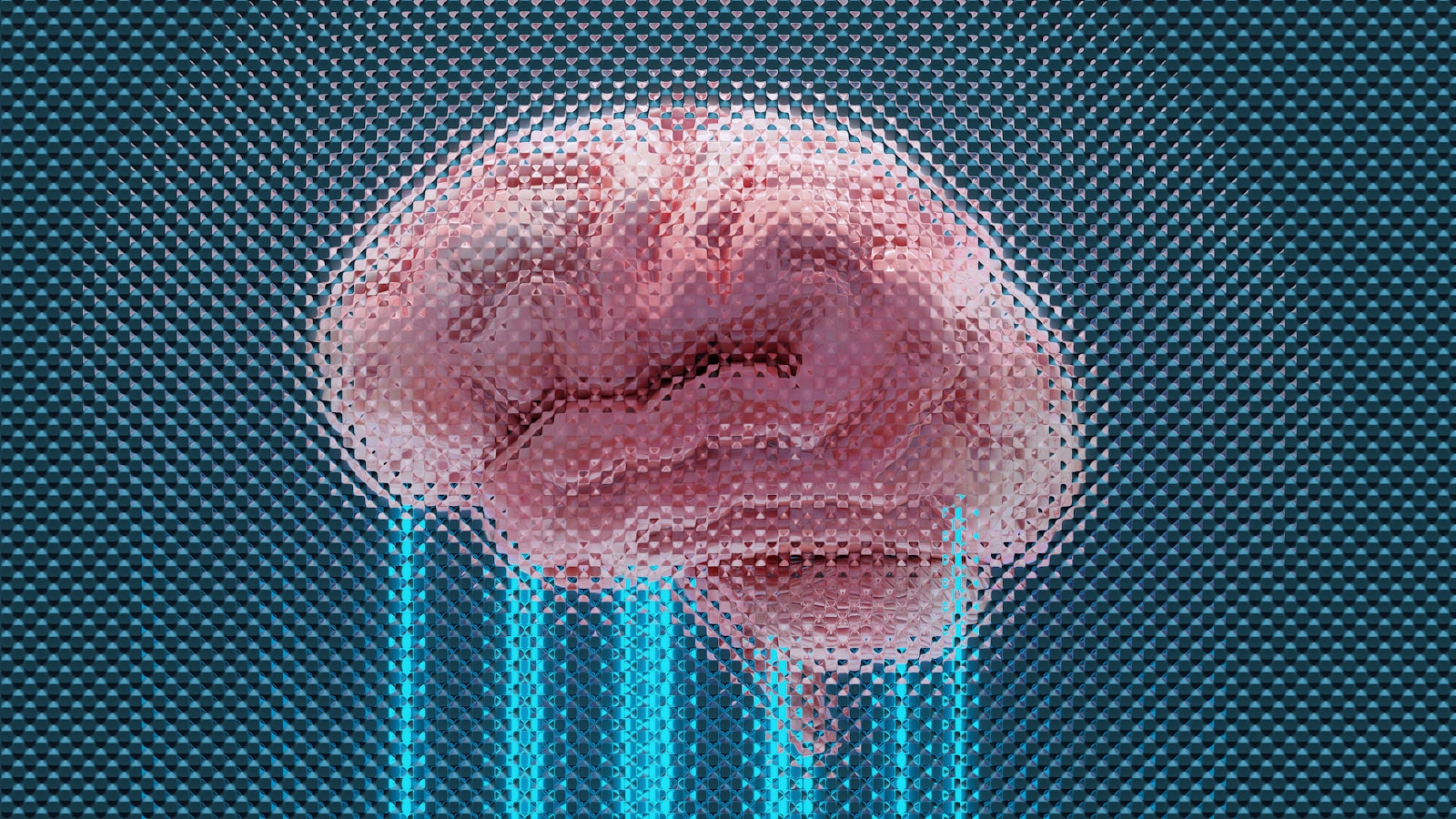
Transcranial Magnetic Stimulation uses gentle, precisely targeted magnetic pulses to wake up specific regions of your brain — strengthening the circuits behind focus, memory, and mood. Think of it less like a medication and more like training the right neural pathways back into shape.
Unlike a pill, TMS doesn't mask symptoms. It works at the level of the wiring itself — which is why the changes members feel tend to outlast the program.
BioHaus uses the Magstim Horizon 3.0 with StimGuide Pro neuronavigation — the same clinical-grade platform trusted by leading academic medical centers — delivering FDA-cleared protocols backed by peer-reviewed research.
FDA-Cleared for 30+ Years
Nearly Four Decades of Clinical Use.
TMS has been FDA-cleared for more than 30 years and is used today in leading academic medical centers — Stanford, Harvard, the Mayo Clinic. This isn't experimental. It's one of the most thoroughly vetted non-invasive brain interventions in modern medicine.
Peer-Reviewed Evidence
Hundreds of Published Case Studies.
More than 1,000 peer-reviewed clinical studies document TMS outcomes across focus, mood, memory, and recovery — including Stanford's landmark SAINT protocol and multi-site trials showing durable cognitive and emotional change in healthy adults.
Beyond Cognition
TMS Has Also Been Shown to Help With —
Depression, anxiety, OCD, PTSD, chronic migraines, smoking cessation, post-concussion symptoms, and sleep disruption. While NeuroOptimize is built around cognitive performance in healthy adults, many members notice meaningful shifts in mood, sleep, and stress resilience as a byproduct of the protocol. Your physician will help you understand what TMS can — and can't — do for your specific picture.